
How Often Should You Sealcoat a Parking Lot?
Updated: Oct 16
Use the condition of the pavement to decide when another application is worthwhile.
A Starting Interval Is Not an Automatic Schedule
Tri County Asphalt generally suggests evaluating sealcoating on roughly a two- to three-year cycle. That is a starting point for review, not a rule that every lot needs another coat as soon as the date arrives.
Traffic, weather exposure, the previous application and the condition of the asphalt all affect the decision. Some areas may need attention sooner than others on the same property.
The useful question is what the surface needs now and whether it remains a good candidate for maintenance.
Look at Wear Across the Lot
Entrances, turning areas and frequently used parking rows may show different wear from quiet corners. Walk the whole property instead of judging it from one space near the building.
Look for changes in the coating, worn areas, open cracks and damaged edges. Color can be a clue, but fading alone does not tell the whole story.
Photographs taken from the same positions over time can help you track how conditions are changing.
Separate Coating Wear From Pavement Failure
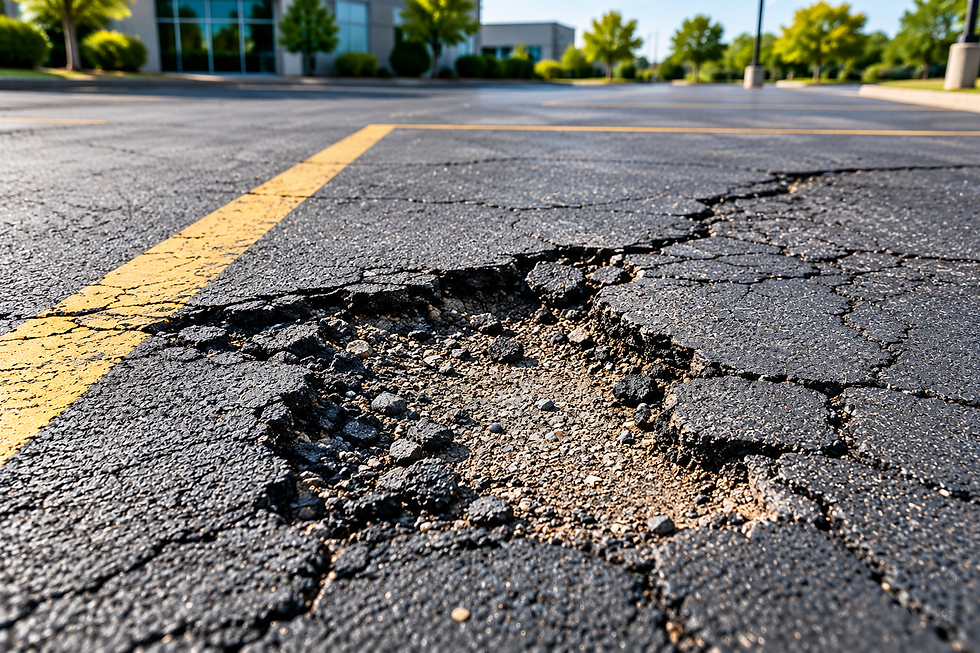
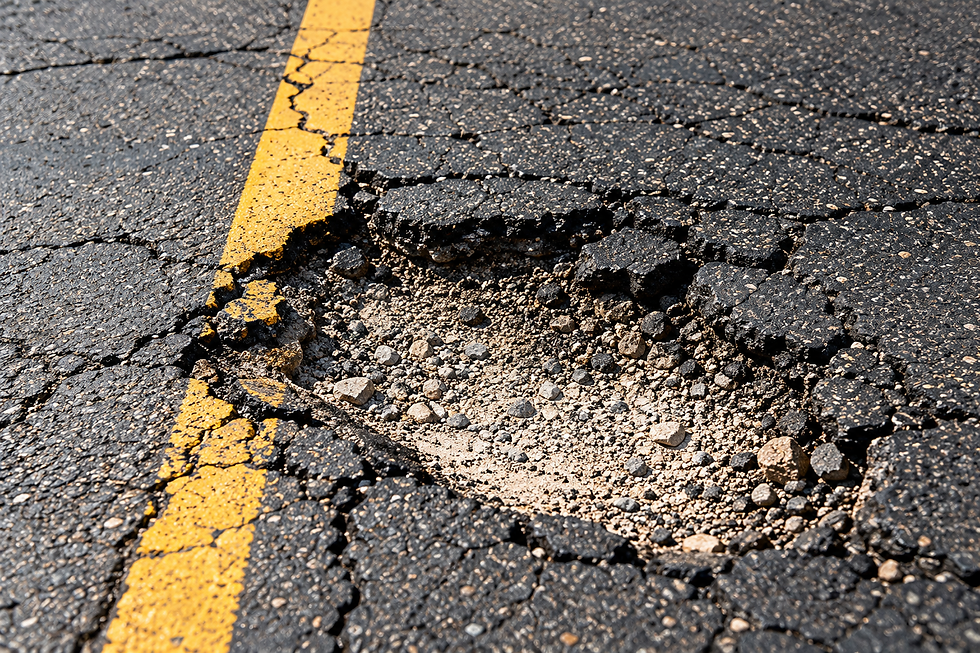
A surface that has lost some of its protective finish may be ready for maintenance. A surface with potholes, loose broken pieces or movement needs a repair discussion first.
Sealcoating does not replace lost support. Applying another coat over a failed area can improve color without resolving the reason the pavement is breaking apart.
Identify repairs and crack treatment before deciding on the coating work. That sequence helps the maintenance investment go toward pavement that can benefit from it.
Review the Previous Application
If you have records, note the product, date and work included in the last project. Knowing whether cracks and repairs were addressed can explain some of what you are seeing now.
Also note changes in use. More deliveries, heavier vehicles or a different parking pattern can alter the demands on the surface even when the calendar interval is unchanged.
Keep those records with the property maintenance file so the next review starts with useful context.
Avoid Treating More Coating as Automatically Better
A maintenance treatment should be applied for a reason and according to the selected system. Repeated applications solely to darken the lot are not a substitute for condition-based planning.
Ask what the next coat is intended to address. If the existing coating remains serviceable, other tasks may be a better priority. If the pavement is failing, rebuilding may need to come before surface protection.
Coordinate the Timing With the Property
Once maintenance is appropriate, plan around vehicle removal, weather and access. A lot that is occupied every day needs notices and a realistic work sequence.
Include striping in the plan if markings will need to be restored. Our guide to parking lot access planning explains the coordination questions.
A Simple Maintenance Record
Keep the last work date, material if known, repair locations, photos and any recurring issues in one place. Add notes about standing water and unusually heavy traffic.
This does not need to be complicated. A short record can make it easier to explain what has changed and compare recommendations over time.
Get a Condition Based Recommendation
Tri County Asphalt provides sealcoating and related repairs across the Central Valley. Send the property address and your maintenance history if available. We will help you decide whether the next step is coating, repair or continued observation.

Comments