
How to Compare Asphalt Paving Bids
Updated: Oct 16
Make sure the prices describe the same project before choosing between them.
A Lower Total Does Not Explain What Is Included
Two paving bids can look similar at a glance and still describe different work. One may include base repairs and removal while the other assumes the existing pavement is ready for a new layer.
The first comparison should be the scope. Once the work is equivalent, the price becomes much more meaningful.
Confirm the Area and Boundaries
Check that both proposals cover the same footprint. Look for excluded sections, transitions or areas described only as optional.
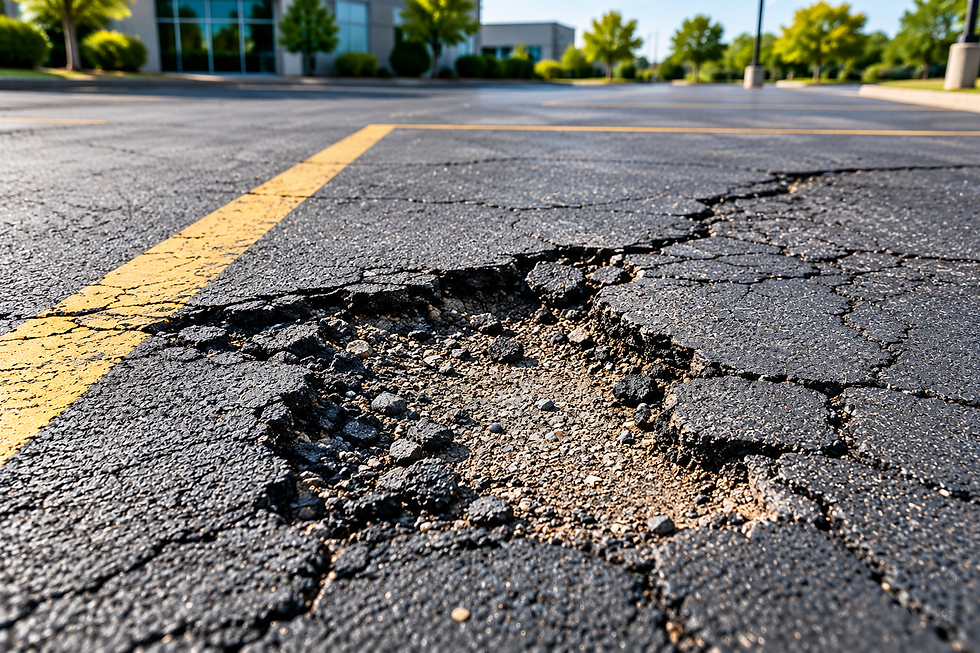
Photos, markings or a simple site image can help identify what is included. A written description should be specific enough that the owner and contractor are picturing the same project.
Identify the Paving Approach
New paving, an overlay and removal and replacement are different construction plans. A bid should identify the approach rather than describe all three as “asphalt work.”
If an overlay is proposed, ask how failed sections and finished elevations will be handled. If replacement is proposed, ask what happens beneath the removed surface.
Compare Preparation and Thickness
Preparation may include grading, base repair, milling and attention to drainage. These tasks can explain a meaningful portion of the difference between bids.
Compare the specified asphalt thickness on the same basis. A loose placement measurement and a compacted thickness are not interchangeable descriptions.
The proposal should relate the construction to the vehicles using the property rather than present thickness as an isolated selling point.
Check Repair Quantities and Finishing Work
If the project combines paving and repairs, identify where each happens. Confirm whether crack treatment, sealcoating or striping is included or separate.
For a parking lot, the finished layout matters. New pavement without the required markings is not the same deliverable as a completed, striped lot.
A Simple Bid Comparison Example
Suppose Bid A includes removal of failed sections, base repairs, milling at the entrance and an overlay. Bid B lists only an overlay across the lot.
Bid B may have a lower total because it includes less work. Before accepting either, ask whether the omitted tasks are unnecessary, excluded or intended to be priced later.
The answer could justify the difference or reveal that a proposal needs clarification. Price alone cannot resolve it.
Questions Worth Asking
Topic | Question |
Work area | Which sections are included and excluded? |
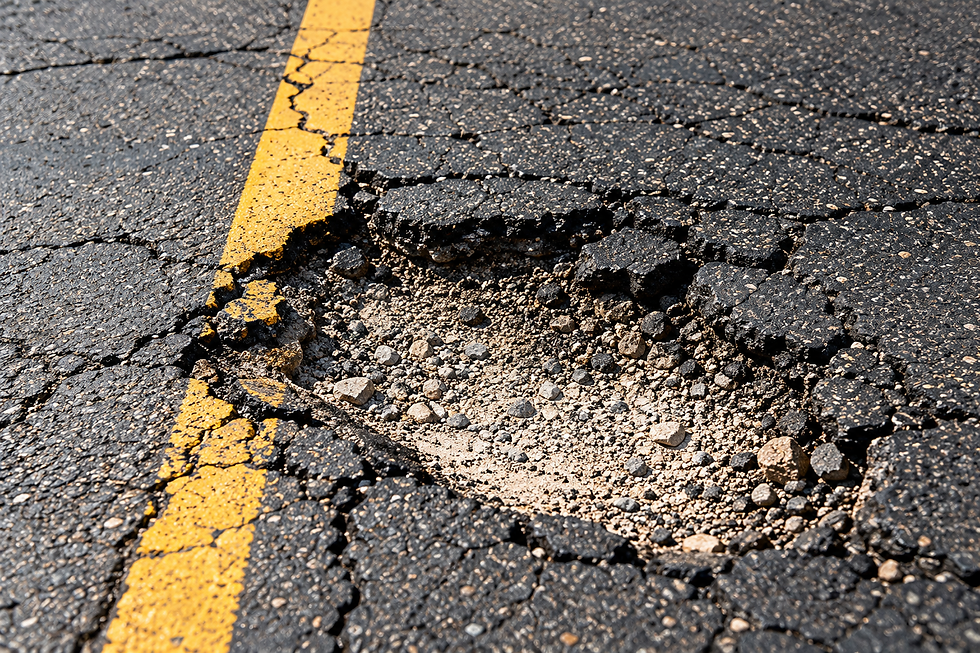
Existing damage | What happens to failed pavement before new asphalt? |
Support | What base work is included? |
Elevations | How will the surface meet entrances and curbs? |
Material | What thickness and paving work are specified? |
Access | What closures and vehicle moves are required? |
Completion | Are markings and cleanup included? |
Changes | How will additional work be documented and approved? |
Consider the Working Relationship
A proposal is also an early example of how the contractor communicates. Can you get a clear explanation? Are the choices understandable? Do the access arrangements reflect the property?
For managers seeking approval, those qualities matter because the proposal becomes the basis for owner decisions and tenant planning.
Our guide to working around occupants covers the coordination side.
Compare the Work Before Comparing the Number
Tri County Asphalt provides asphalt paving with a clear description of the proposed work and visual references where useful. Send the project address and goals for a free estimate you can review with confidence.

Comments