SERVING CENTRAL VALLEY: TULARE, KINGS, FRESNO & KERN COUNTIES
CA LICENSE #1084221
CALL:559-782-0904
TEXT:559-310-6578



SMALL OPENINGS CAN LEAD TO BIGGER MAINTENANCE PROBLEMS
Cracks give water a path into pavement. Leaving them untreated can allow deterioration to spread, particularly where the surface or support is already vulnerable.
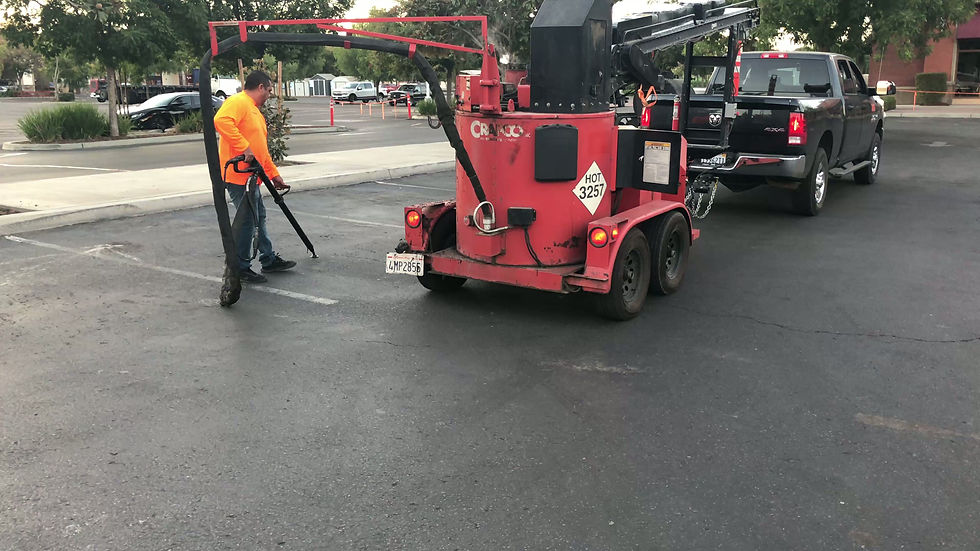
Tri County Asphalt offers hot- and cold-applied crack treatments for parking lots, driveways and access areas across the Central Valley. We evaluate the type of cracking and the pavement around it before recommending the treatment.
If the asphalt around a crack is firm and intact, treatment may help preserve it. If pieces are loose or the area moves under traffic, repairing that section comes first. We help you direct the maintenance budget to pavement worth maintaining.
CRACK FILLING AND CRACK SEALING ARE DIFFERENT DECISIONS
A crack that moves with temperature changes has different demands from a relatively stable opening. Width, edge condition and the selected material also affect the work.
Crack sealing generally addresses movement with an appropriate flexible material and preparation. Crack filling addresses openings under different conditions. The terms are sometimes used loosely, so we explain what is proposed for your pavement rather than rely on the label alone.

HOT AND COLD APPLIED OPTIONS
HOT APPLIED CRACK TREATMENT
Hot-applied material is heated for placement and can be suited to cracks needing flexibility. Preparation and the condition of the crack are important to the result. The right product must fit the opening and movement being treated.
COLD APPLIED CRACK TREATMENT
Cold-applied materials provide another option for selected cracks and conditions. Their performance depends on the product, preparation and application, rather than simply whether the material was heated.
Our hot versus cold crack filler guide explains the questions that help distinguish the choices.


WHEN CRACKS POINT TO A REPAIR INSTEAD
Closely connected cracking, loose pieces or movement under traffic may indicate a failing section. Filling the visible openings cannot restore lost structural support.
We can discuss asphalt repair for those areas while treating suitable cracks elsewhere. That approach gives each part of the pavement the work it needs and avoids spending maintenance money on a surface that should be rebuilt.
If cracking is widespread, our repair, overlay or replacement guide can help you understand the broader options.
COMBINE CRACK TREATMENT WITH A MAINTENANCE VISIT
Crack treatment may be part of a project that includes repairs and sealcoating. Each step has a different purpose: repair rebuilds damaged pavement, crack treatment addresses openings, and sealcoating protects the remaining surface.
Discuss the full condition of the lot before scheduling one isolated treatment. Combining the planning can also help you coordinate vehicle removal and access more clearly.


KNOW WHAT THE FINISHED TREATMENT WILL LOOK LIKE
Crack repairs can remain visible. The goal is to treat the opening, not make the asphalt look as though it never cracked. A broader maintenance treatment may improve overall appearance, but it does not erase the underlying history of the pavement.
We will explain the work and the expected access restrictions so you can plan around it. On commercial properties, identify the entrances and parking rows that are most difficult to close.
CRACK TREATMENT QUESTIONS
START WITH A LOOK AT THE CRACKING
Text photos to 559-310-6578 or call 559-782-0904. We will help you determine whether maintenance or repair is the next step.
LOCAL CRACK FILLING AND SEALING
We serve Porterville, Visalia, Tulare, Hanford, Fresno, Bakersfield and the wider four-county area.