
Hot vs Cold Crack Filler
Updated: Oct 16
The crack and the product matter more than a simple hot-or-cold label.
Choose the Treatment for the Opening You Have
Hot-applied and cold-applied materials can both have a role in asphalt maintenance. The useful choice depends on crack movement, width, surrounding pavement, preparation and the characteristics of the selected product.
A hot material is not automatically right for every crack, and a cold-applied product is not automatically a temporary solution. Evaluate the application rather than treat the category name as a performance guarantee.
First Decide Whether the Pavement Can Be Maintained
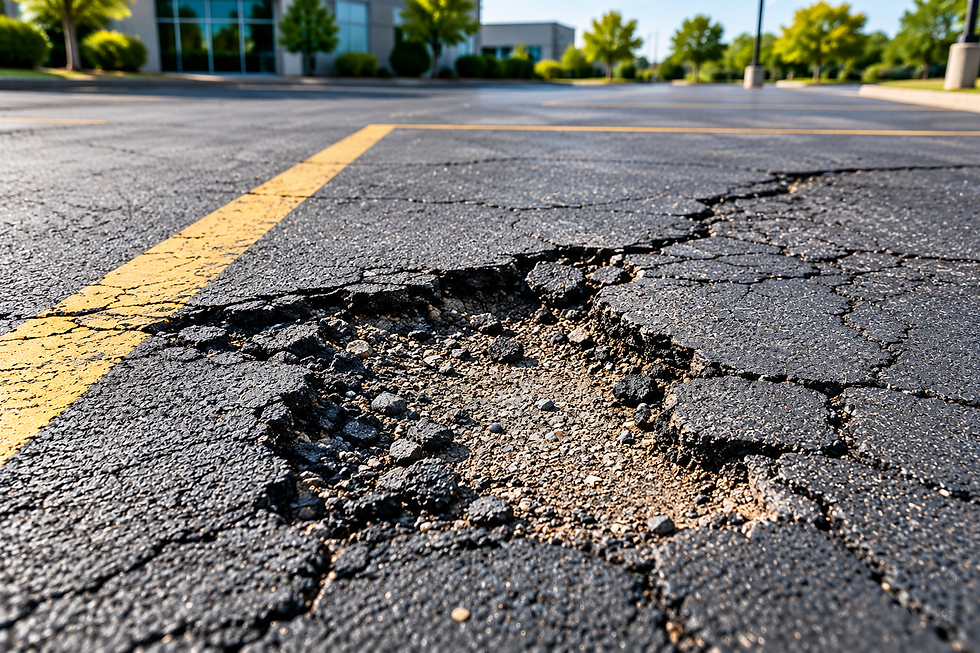
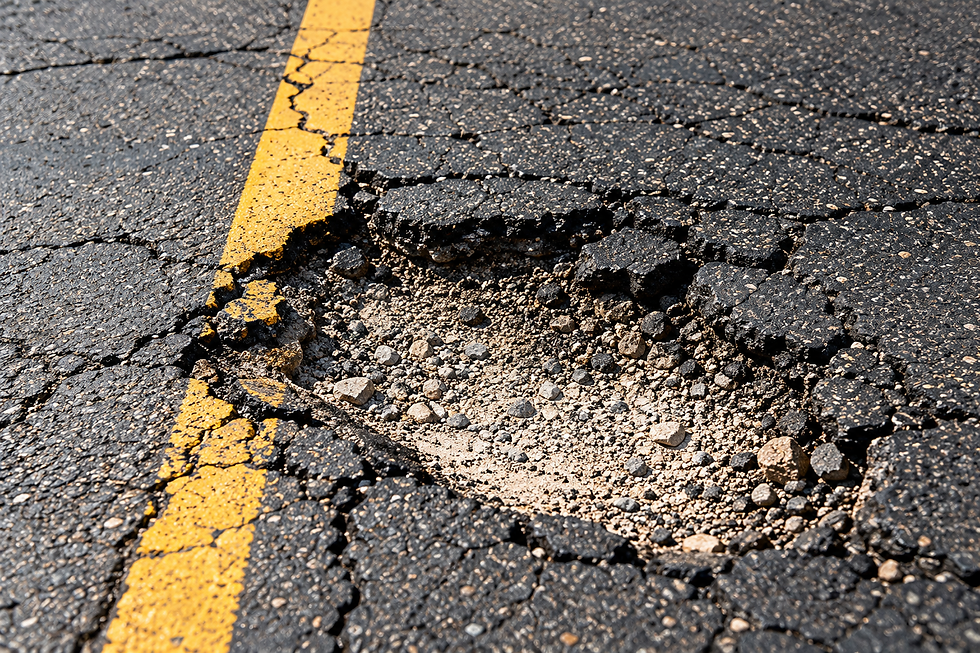
An isolated opening in otherwise usable asphalt is different from a web of cracks surrounding loose or moving pieces. The latter can indicate a failed section that needs repair rather than additional filler.
Crack filling and sealing preserve appropriate areas. They cannot restore structural support that is no longer there.
If the surface moves under traffic, is breaking apart or has repeatedly been treated without improvement, discuss asphalt repair before another crack application.
Crack Sealing and Filling Serve Different Conditions
Crack sealing generally addresses openings that move, using material and preparation suited to that movement. Filling addresses other openings where movement and treatment demands differ.
The distinction matters because the treatment must continue to function as the pavement changes. A material chosen only because it is easy to apply may not suit the job.
Ask the contractor to describe the cracking and explain the selected treatment in plain language.
How Hot Applied Material Is Used
Hot-applied products are heated to the required application condition. The equipment, temperature control and crack preparation are part of doing the work correctly.
Suitable products can provide flexibility for moving cracks. That does not mean every hot-applied product has the same properties or should be used in every situation.
Avoid comparing treatments solely by a promised number of years. Traffic, movement and installation conditions affect the result.
How Cold Applied Material Is Used
Cold-applied products are placed without the same heating process. Their formulation, curing requirements and intended crack conditions vary.
Some are appropriate for selected maintenance applications. The key is to identify the product and intended use rather than assume every liquid crack filler behaves alike.
For a property owner, the practical questions are what it is being applied to, how the crack will be prepared and when the area can return to use.
Preparation Can Decide the Outcome
A crack with loose debris, moisture or deteriorated edges needs attention before material is placed. Poor adhesion can undermine an otherwise suitable product.
Preparation should be part of the proposal. Depending on the selected system, that may involve cleaning and shaping the opening as needed. Follow the product requirements rather than treat preparation as an optional extra.
Compare These Details
Question | Why it helps |
What kind of cracking is present? | Establishes whether treatment or repair is appropriate |
What product is proposed? | Moves the discussion beyond “hot” or “cold” |
How will openings be prepared? | Explains the work needed for the material to function |
What appearance should I expect? | Crack treatments can remain visible |
What are the access instructions? | Helps keep traffic off the work until appropriate |
Plan It With the Rest of the Maintenance
Crack treatment may be coordinated with repairs and sealcoating. Discuss the whole surface before scheduling a single treatment.
Tri County Asphalt offers hot- and cold-applied options across the Central Valley. Send photos and the property address to start a conversation about the cracking you are seeing.

Comments