
Driveway Grading and Drainage Before Paving
Updated: Oct 19
Solve the ground and water questions before investing in the finished surface.
New Asphalt Will Follow the Conditions Beneath It
A driveway project can improve the surface while leaving an existing water problem untouched if preparation is overlooked. The shape of the ground, supporting material and connections to the property should be considered before paving.
That does not mean every driveway needs extensive reconstruction. It means the contractor needs to understand how the area behaves, especially after rain and under regular vehicle use.
Watch Where Water Collects and Travels
Look at low spots, runoff across the entrance and water beside the garage. Note whether the problem is new or has been present for years.
Photos during or after rain can be useful because the evidence may be gone by the time someone visits. Show where the water comes from and where it currently goes.
Do not assume that raising the driveway will solve everything. A change in elevation can redirect water toward another part of the property if the outlet is not considered.
Check the Connections
The driveway has to meet garage floors, gates, walkways, the road and other adjoining surfaces. Those fixed points affect how much height is available for new material.
An overlay adds height. Milling or removal may be needed where the new surface would otherwise create a poor transition. Discuss these locations before choosing the paving method.
Look for Weak or Moving Areas
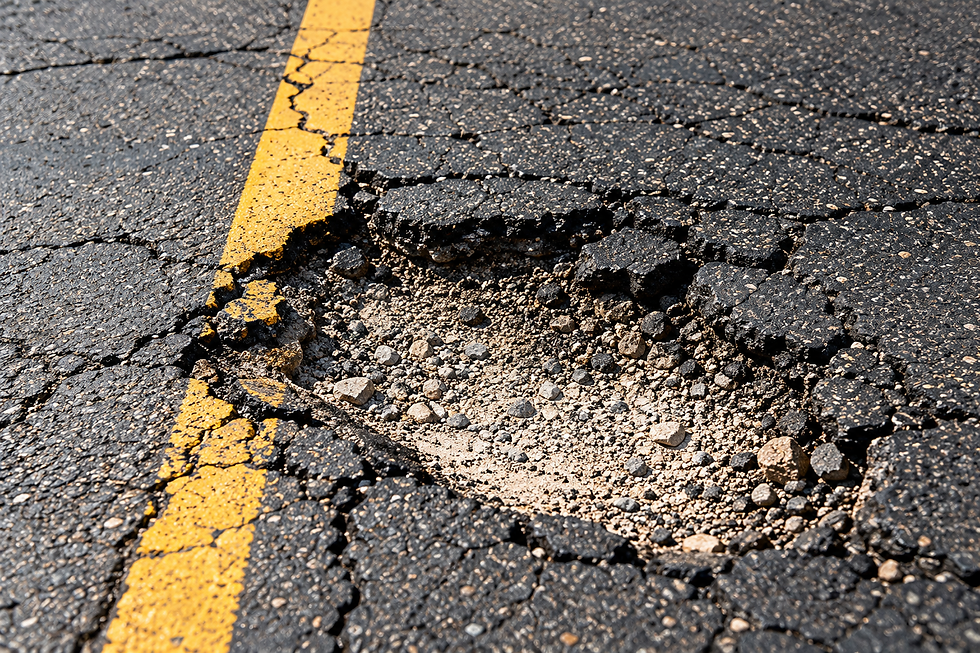
Ruts, depressions and repeated repairs can point to problems beneath the surface. A new asphalt layer may carry those conditions forward unless the support is addressed.
Tell the contractor about soft spots, especially if they change with wet weather. The preparation should account for the ground that will support the new pavement.
Useful Observations to Share
What you notice | What to discuss |
Water pooling near the garage | Finished elevations and an appropriate drainage path |
Ruts along the tire tracks | Support, vehicle use and preparation |
Broken driveway edges | Edge support and how vehicles enter or turn |
A raised threshold or tight gate clearance | Available height for the new surface |
A patch that keeps settling | The extent of failure below the repair |
These observations help identify questions. They do not establish a diagnosis without reviewing the site.
Match Preparation to the Vehicles
Tell the contractor about RVs, trailers, regular deliveries and any heavier equipment using the driveway. A route intended only for passenger cars may have different demands.
The work should also account for turning and parking, not just vehicles traveling straight through. A tight turn near the house can be an important part of the design discussion.
Coordinate Grading and Paving
Grading and site preparation should be planned with the finished surface in mind. That includes the material, intended elevations and connections to surrounding areas.
If separate parties are involved, make sure the preparation and paving scopes align. Otherwise, one may assume the other is responsible for a detail that remains unresolved.
For a longer route, compare chip seal and asphalt after the preparation needs are understood.
Bring the Problem Into the First Conversation
Tri County Asphalt provides driveway paving and related preparation across the Central Valley. Send the address, photos and a description of what happens during wet weather. We will help you plan the ground work before the new surface goes down.

Comments