
Chip Seal vs Asphalt for Driveways and Access Areas
Updated: Oct 19
The finish you live with matters as much as the area you need covered.
The Main Difference Is the Surface You Get
Asphalt paving places and compacts an asphalt mixture into a relatively smooth, continuous surface. Chip seal applies binder and aggregate to create an exposed stone finish over an appropriately prepared surface.
Both need support beneath them. Chip seal is not a shortcut around weak ground, and asphalt cannot solve a drainage problem simply by covering it.
For a driveway or private road, compare how the surface will be used before focusing only on price.
Texture Changes the Everyday Experience
Asphalt is generally the smoother choice. That can matter near a home where people walk, roll bins, use strollers or move equipment with small wheels.
Chip seal has a coarser texture because aggregate remains exposed. On a longer vehicle route, that finish may fit the property well. Close to the garage or front door, you may place more value on smoothness.
Think about where people spend time, not only where vehicles travel.
Compare the Two Approaches
Decision | Asphalt paving | Chip seal |
Finished feel | Smoother, more uniform surface | Exposed stone texture |
Project type | New paving, overlays or replacement | Surface treatment or prepared private-route application |
Preparation | Support, shape and drainage must be appropriate | Support, shape and drainage must also be appropriate |
Initial care | Follow cooling and use instructions | Follow guidance for aggregate, traffic and early use |
Future work | May include crack treatment, repairs and sealcoating | Maintenance should fit the chip seal system and condition |
Cost Depends on More Than the Material Name
Chip seal is often considered when covering a larger area economically. But a poorly prepared route can need substantial work before either surface is installed.
Compare complete proposals. Include the base, grading, repairs, surface application and access requirements. A chip seal quote that assumes preparation is complete cannot be fairly compared with an asphalt quote that includes rebuilding the route.
Our paving cost guide explains the main construction differences behind a total.
Traffic and Turning Deserve Attention
Tell the contractor about deliveries, heavier vehicles and places where drivers turn sharply. The intended use helps determine the preparation and whether the selected surface fits the property.
A long straight access route and a tight turning area near a garage may deserve different consideration. Choosing one material for the project should follow that discussion rather than precede it.
What About Existing Damage?
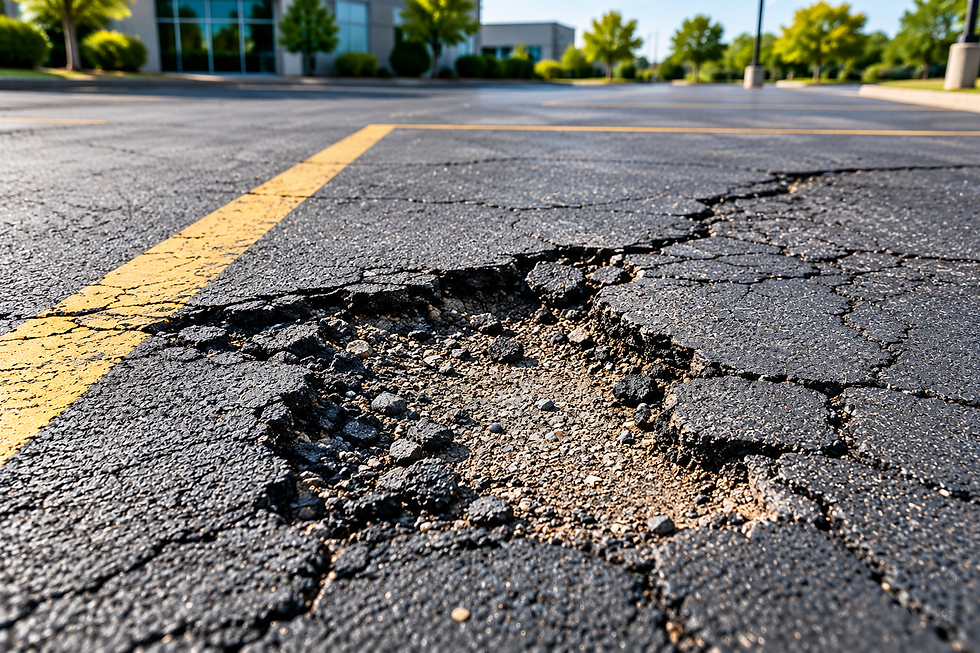
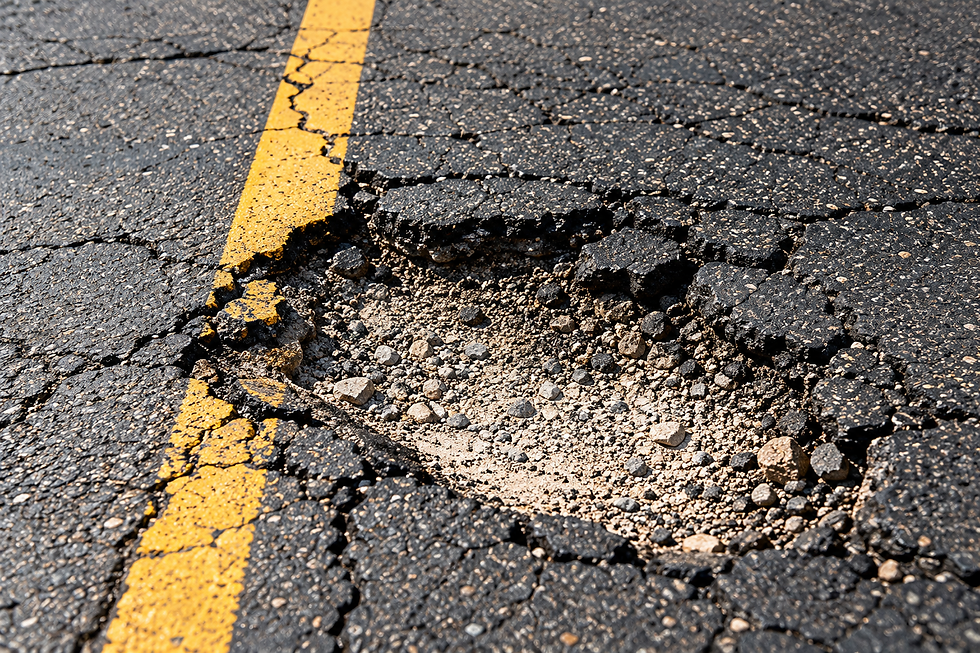
If there is failed asphalt, soft ground or standing water, address it before choosing a finishing treatment. A new appearance does not mean the underlying problem has been repaired.
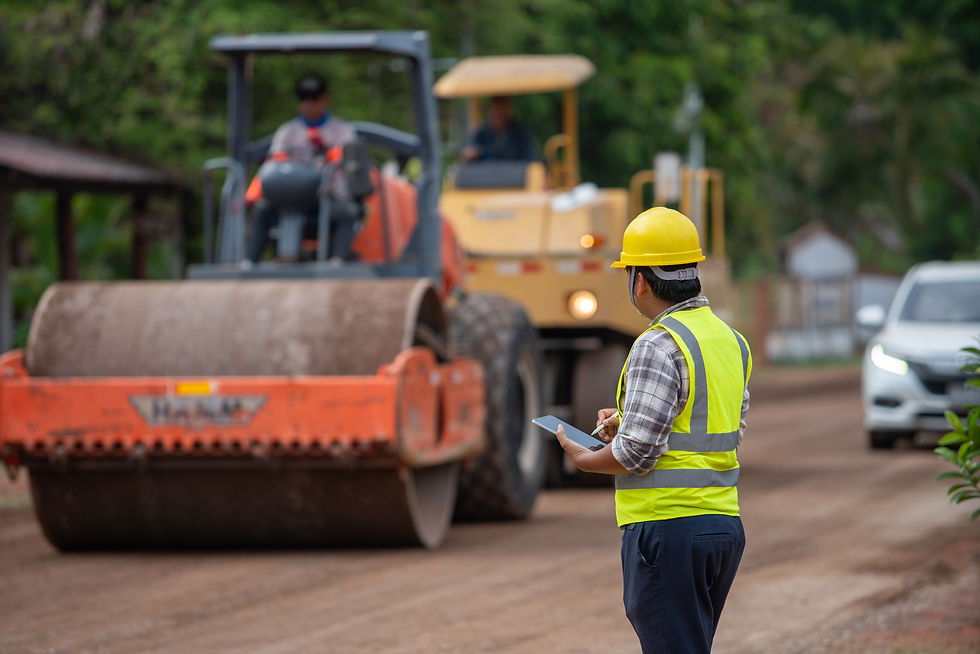
Grading and site preparation may be needed for the route. Existing asphalt may need localized repairs before broader surfacing work.
How to Make the Choice
Favor asphalt when a smoother surface is a high priority and the complete project fits your budget. Consider chip seal when its texture suits the property and the prepared route is appropriate for the treatment.
Neither choice should be based on a universal lifespan promise. Installation, support, traffic and maintenance influence both.
Compare the Options on Your Property
Tri County Asphalt offers chip seal and driveway paving across the Central Valley. Send your address and explain how you use the route. We will help you compare the finish and work involved.
Comments