
What Affects Asphalt Paving Cost in the Central Valley?
Updated: Oct 19
The size of the area matters, but the work underneath often explains the price difference.
Start by Comparing the Same Kind of Project
Asphalt paving cost depends on what is being built, what is already there and how much preparation is needed. An overlay on usable pavement is a different project from removing failed asphalt and rebuilding the base, even when both cover the same area.
For a Central Valley property owner, the most useful price is one tied to the actual work. A broad online average can help frame a question, but it cannot tell you whether removal, drainage repairs or a new parking layout are included.
The Main Cost Drivers
Area and Shape
More square footage generally means more material and work. Shape also matters: an open lot gives equipment different access from a narrow driveway with tight turns and several adjoining surfaces.
Existing Pavement and Removal
An asphalt overlay keeps usable pavement underneath. Replacement requires removal and handling of the old material, followed by any preparation needed before repaving.
Base Preparation
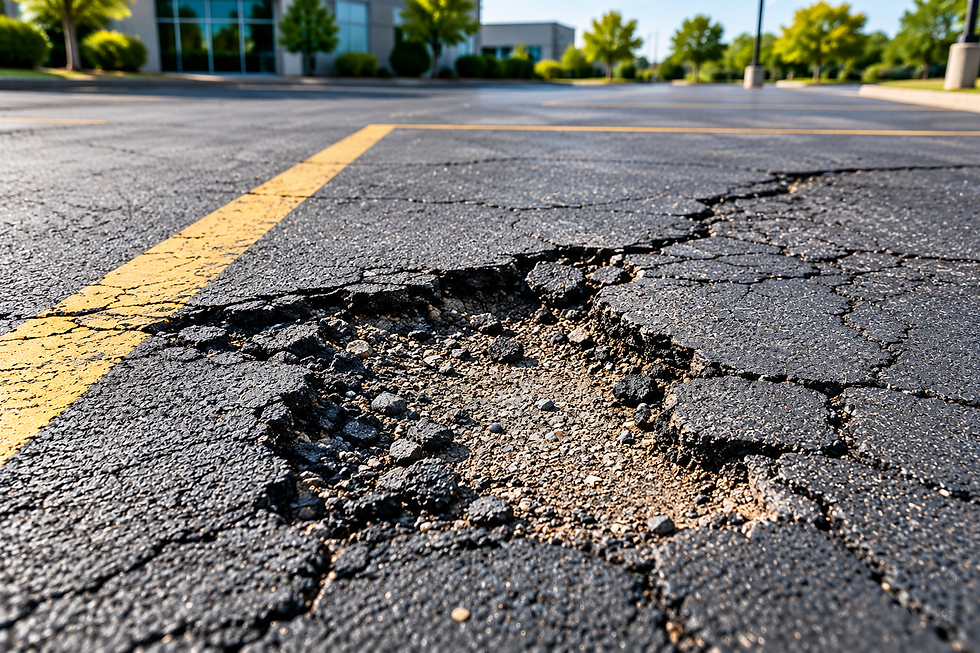
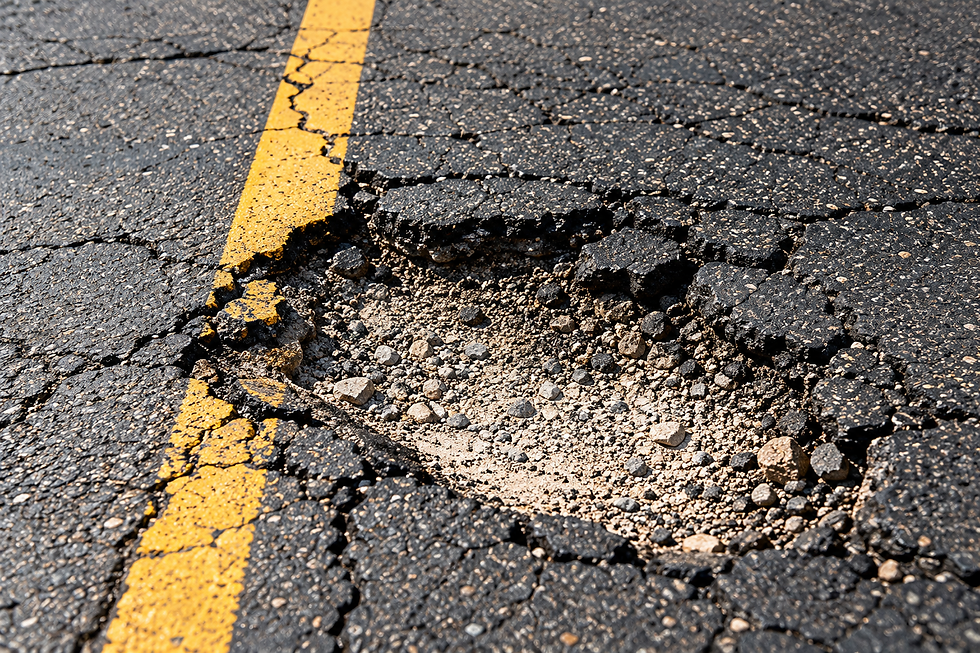
Soft or unstable areas need attention before asphalt is placed. A paving price that assumes the existing base is ready will differ from one that includes repairs beneath the surface.
Asphalt Thickness and Traffic
The pavement needs to suit its intended use. Passenger-car parking and a route used by heavier vehicles may require different construction. Compare the proposed compacted thickness and supporting work, not just the word “asphalt.”
Drainage and Transitions
Connections at garage thresholds, curbs and entrances can require milling or changes to the preparation. Water problems also need a plan before the new surface goes down.
Access and Work Sequence
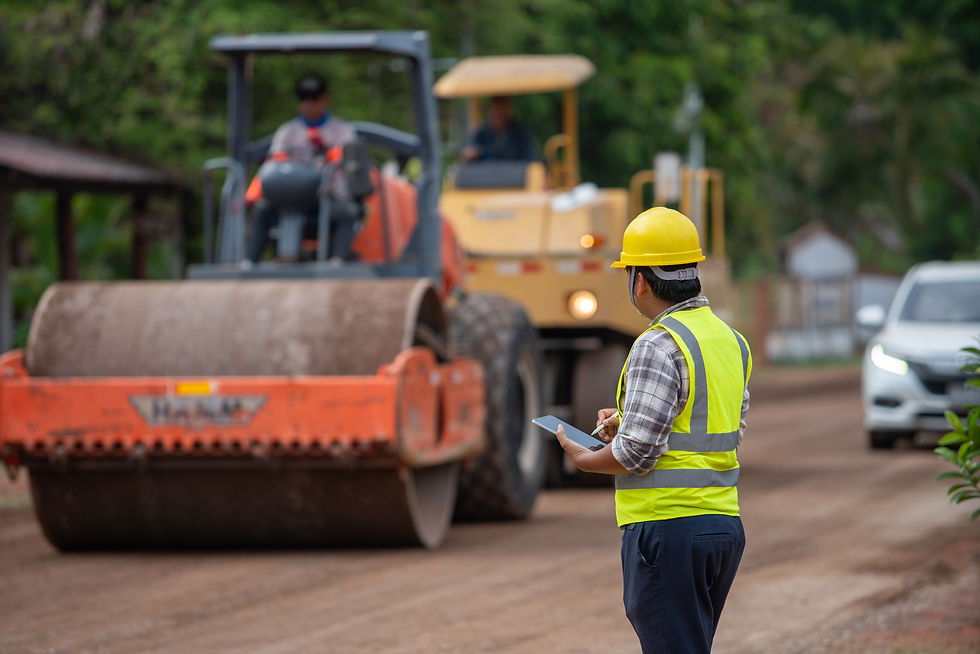
A large open area and an occupied lot divided into several work sections have different logistical needs. Vehicle relocation and construction access should be discussed as part of the proposal.
Why a Square Foot Price Can Mislead
Imagine two proposals for the same 10,000-square-foot lot. One prices a new layer over the existing asphalt. The other includes removal of failed sections, base repairs, milling at the entrance and the new layer.
Dividing each total by 10,000 produces two unit prices, but it does not make the work equivalent. The higher figure may include tasks the lower one leaves for a later change or does not address at all.
For a clean comparison, separate the paving area, repair quantities, removal, preparation and finishing work. Our guide to comparing paving bids provides a practical checklist.
What Can You Adjust Without Undermining the Project?
You may be able to change the area covered, separate an optional expansion or compare phased improvements. Those are scope decisions.
Removing necessary base repair or paving over a drainage problem is different. It changes the ability of the selected work to address the condition. Ask which items are optional and which are needed for the proposed approach.
For mixed conditions, targeted asphalt repairs may allow usable pavement to remain while the most damaged areas are addressed.
What to Send for a Useful Estimate
Provide the property address, the approximate area if known and the result you want. Include photos of damage, standing water and the entrances equipment will use.
Mention heavy vehicles and access restrictions. If another contractor has proposed an overlay or replacement, sharing the work description can help clarify what you are comparing.
Get a Price for Your Actual Property
Tri County Asphalt provides asphalt paving across Tulare, Kings, Fresno and Kern counties. Request a free estimate that explains the work behind the price, including preparation and any related repairs.
Comments